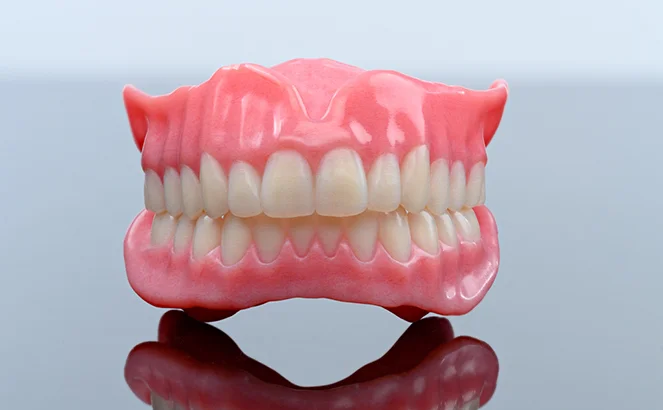
Digital dentistry has transformed nearly every aspect of prosthodontics, and complete dentures are no exception. Today's clinicians can choose between conventional fabrication, CAD/CAM milling, and 3D printing.
But one question remains:
Do 3D-printed complete dentures actually perform as well as conventional dentures?
A recently published systematic review and meta-analysis evaluated the available clinical evidence by comparing 3D-printed dentures with both conventional and milled dentures. The findings provide valuable insight for dentists considering digital workflows.
The Growing Shift Toward Digital Denture Manufacturing
Digital denture workflows have become increasingly popular because they can simplify fabrication while improving consistency.
Compared with traditional processing, digital workflows may offer:
- Fewer patient appointments
- Faster laboratory turnaround
- Digital record storage
- Easier denture reproduction
- Improved manufacturing efficiency
Among digital methods, 3D printing has gained significant attention because it generally requires less equipment investment and produces less material waste than milling.
What Did the Research Evaluate?
The systematic review analyzed 460 published studies, ultimately selecting 12 clinical studies that met strict inclusion criteria.
Researchers compared three fabrication methods:
- Conventional complete dentures (CCDs)
- 3D-printed complete dentures (3DPs)
- CAD/CAM milled dentures (MDs)
They evaluated several important clinical outcomes, including:
- Denture retention
- Patient satisfaction
- Oral health-related quality of life (OHRQoL)
- Masticatory force
- Clinician satisfaction
The Key Finding: Retention Still Favors Conventional Dentures
One outcome stood out.
Conventional complete dentures demonstrated better denture retention than 3D-printed dentures.
The difference reached statistical significance, suggesting that conventional processing still provides an advantage in this specific clinical parameter.
Researchers suggest several possible reasons, including:
- Border-molded definitive impressions used during conventional fabrication
- Differences in digital impression workflows
- Scanner accuracy
- Material properties of current 3D-printing resins
This finding does not mean that 3D-printed dentures perform poorly—it simply indicates that retention remains an area where conventional techniques may still have an advantage in some clinical situations.
Patient Satisfaction Was Essentially the Same
Perhaps the most reassuring result for clinicians is that patients generally reported similar experiences regardless of the fabrication method.
The review found no statistically significant differences in:
- Comfort
- Esthetics
- Function
- Overall satisfaction
Whether patients received conventional, milled, or 3D-printed dentures, satisfaction levels remained comparable across the available clinical studies.
Quality of Life and Chewing Performance
The review also evaluated broader clinical outcomes.
Researchers found no meaningful differences between fabrication methods regarding:
- Oral health-related quality of life
- Masticatory force
- Clinician-assessed denture quality
In practical terms, patients functioned similarly regardless of whether their dentures were conventionally fabricated or digitally produced.
What Does This Mean for Dentists?
The findings suggest that digital dentures are becoming an increasingly reliable treatment option—but case selection still matters.
For many routine edentulous patients, 3D-printed dentures can provide:
- Efficient workflows
- Predictable clinical performance
- Reduced laboratory production time
- Easier digital reproduction if replacement is needed
However, patients with severely resorbed ridges, compromised anatomy, or situations where maximum retention is critical may still benefit from conventional fabrication techniques. The review notes that more research is needed in these complex clinical scenarios.
The Role of Modern Dental Laboratories
As digital dentistry evolves, the laboratory's role extends beyond manufacturing.
A modern dental laboratory helps clinicians determine:
- Which fabrication method best suits each patient
- Whether milling or 3D printing is appropriate
- How digital workflows can improve efficiency without compromising clinical outcomes
Successful prosthodontic treatment depends on selecting the right workflow—not simply the newest technology.
Conclusion
Current evidence indicates that 3D-printed complete dentures deliver clinical outcomes comparable to conventional and milled dentures in most evaluated areas. The notable exception is denture retention, where conventional dentures continue to demonstrate a measurable advantage.
As materials, printers, and digital workflows continue to improve, the performance gap may narrow even further. Until then, clinicians should choose the fabrication method based on each patient's anatomy, clinical needs, and treatment goals rather than assuming one approach is universally superior.